
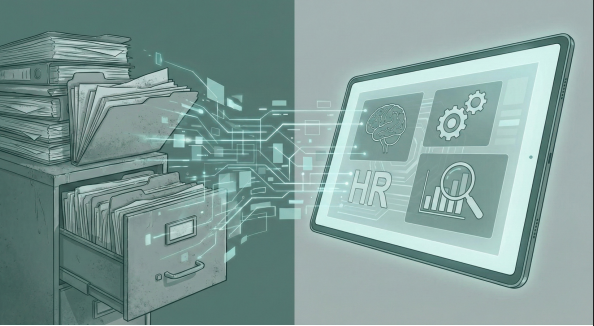
Innovations in HR Technology and the Rise of Strategic People Management
Human Resources has reached a defining moment. The profession that was once mostly associated with paperwork and administrative tasks is now expected to play a central role in shaping business performance, workforce engagement and organisational success. This shift has pushed HR professionals to rethink the ways they manage people, adopt new technologies, refine processes and introduce more objective and transparent approaches.
In today’s world, organisations are looking to HR to help them navigate talent scarcity, rapid change and evolving employee expectations. HR innovation has become a strategic requirement for organisations that want to remain competitive and build work environments where people can thrive.
This article looks at how innovation in HR technology is transforming workplaces, redefining the role of HR and helping organisations make better, more informed decisions about their people.
What HR Innovation Really Means
Human resources innovation is the application of new ideas, technologies and strategies to improve traditional HR practices. For many years HR was mainly about managing personnel records, maintaining attendance sheets and handling administrative processes.
These practices were once essential, but they are no longer enough. Modern workforces are complex and dynamic. Organisations need HR to do much more than record-keeping. HR innovation shifts the function toward outcomes that matter to the business. It focuses on insight, engagement, performance and strategy.
In this context, HR technology is not the destination. It is a tool that enables HR professionals to collect better data, draw insights and inform leaders in ways that add value. Technology alone is not enough unless it is guided by people who know what the data means.
From Record-keeping to Workforce Intelligence
One of the most significant shifts in HR has been the move from data collection to data intelligence. Today’s HR systems can do more than store information. They can analyze workforce data to identify trends, skill gaps, performance patterns and potential risk areas.
This data can help organisations answer questions such as which skills are missing today, which roles are most at risk of turnover and where leadership development is needed most. By converting raw data into structured reports, HR can provide decision makers with evidence that supports strategy.
Accurate data and well-structured reporting help reveal organisational weaknesses before they become problems. This is where HR specialists add value. Systems can capture information, but it takes human expertise to interpret results and make recommendations that leaders trust.
The Strategic Importance of HR Innovation
The pressure on HR to innovate is not driven by trends alone. Organisations are expecting HR to contribute to performance, productivity and employee experience. Leaders are increasingly asking HR for insight rather than just process support.
Innovation in HR supports this shift in several key ways. Automated recruitment tools can reduce time to hire and improve candidate quality. Engagement platforms can provide real-time data about employee sentiment. Learning systems can deliver personalized development opportunities for individuals and teams. Performance management solutions can support continuous feedback rather than review cycles once a year.
On the other hand, organisations that do not innovate face real risks. Manual hiring processes lead to slower recruitment and missed talent. Outdated engagement strategies contribute to high turnover. Limited investments in learning and development create skills gaps that slow business growth. Traditional performance management practices often generate frustration and fail to support development.
Over time, these challenges affect organisational health and performance.
Innovation Beyond Technology
Innovation in HR is not about acquiring a new system or buying the latest piece of software. True innovation enhances credibility and reduces bias in people’s decisions.
Structured processes and data-driven insights can improve fairness in recruitment, performance evaluation and promotions. When decisions are supported by objective criteria, employees are more likely to see them as fair and transparent. This builds trust in the organisation and strengthens employee experience.
HR innovation that focuses only on tools misses this point. Tools without human judgment do not produce value. Human intelligence and ethical oversight remain essential.
Case Study: How Google Used People Analytics to Improve Leadership
One of the most instructive examples of HR innovation comes from Google and its use of people analytics to understand leadership effectiveness.
The Challenge
Google wanted to know what makes a great manager. Instead of relying on experience, opinion or seniority, the organisation wanted evidence.
HR Innovation
Through an initiative known as Project Oxygen, Google’s HR team analyzed thousands of performance reviews and studied extensive employee feedback. The aim was to identify specific behaviors that distinguished high-performing managers from others.
Using this evidence, HR professionals developed leadership development programs based on data rather than assumptions.
The Impact
The results were clear. Manager effectiveness scores improved. Employee engagement increased. Leadership expectations became clearer and more consistent throughout the organisation.
Why This Story Matters
This example highlights how data can strengthen credibility and reduce bias in HR decision-making. By anchoring leadership development in evidence, HR helped Google support fairer and more consistent leadership practices.
The Role of Artificial Intelligence in HR
Artificial Intelligence has expanded HR’s ability to manage human capital with more precision and foresight. AI is now used in talent acquisition, workforce planning, retention prediction and sentiment analysis.
AI-powered recruitment tools can automate repetitive tasks, leaving HR professionals to focus on relationship building and strategic assessment. Predictive analytics can help organisations anticipate workforce risks rather than respond after problems arise. Learning platforms can recommend personalized development paths for individuals. Sentiment analysis can highlight trends in how employees feel about their work environment.
However, AI does not replace human judgment. HR professionals remain responsible for interpreting insights, applying ethical oversight and ensuring that technology is used fairly. When HR leaders bring context and human understanding to the data, the potential for better decision-making increases.
Leading HR Innovations Shaping the Workplace
Several HR innovations are rapidly transforming organisations:
1. AI-Enabled Recruitment
Recruitment powered by AI automates screening, improves candidate quality and enhances the efficiency of hiring processes. These tools allow HR professionals to spend more time on candidate engagement and strategic hiring decisions.
2. Employee Self-Service Platforms
Self-service platforms give employees control over HR related tasks. Employees can manage benefits, request time off and access performance data through intuitive interfaces. This reduces administrative burden and improves employee satisfaction.
3. Skills-Based Analytics
Skills-based analytics help organisations understand the capabilities of their workforce. By identifying both hard and soft skills, HR can tailor training programs, support career growth and address capability gaps.
4. Continuous Feedback Systems
Real-time feedback tools are replacing annual performance reviews. These systems support ongoing dialogue between employees and managers. They encourage development and help teams address performance issues promptly.
5. Sentiment Analysis
Natural Language Processing tools can analyze open-ended feedback and surveys to identify trends in employee sentiment. This helps organisations address concerns before they escalate and supports a healthier workplace culture.
Research from PwC and Paychex shows that employees increasingly expect HR technologies that are easy to use and that support self-directed interaction with HR functions. This confirms that modern employees value access, convenience and responsiveness in their HR experience.
Innovation With People at the Core
The most successful HR innovations are rooted in a peoplefirst mindset. Technology should support human goals, not replace them. HR professionals should assess whether new tools help promote fairness, strengthen systems and improve employee outcomes.
People centric innovation aligns with organisational values. It supports a culture where employees feel valued and leaders make informed, unbiased decisions.
Practical Considerations for Implementing HR Innovation
To successfully implement HR innovation, leaders should pay attention to several factors:
- Data Quality and Governance: Reliable insights start with accurate data.
- Ethics and Bias Control: Technology must be regularly evaluated to ensure fairness and transparency.
- Skill Building: HR teams should develop capabilities in data literacy and interpretation.
- Iterative Adoption: Piloting innovations before scaling can help manage risk and build confidence.
Communication and organisational readiness are also important for successful adoption.
Conclusion
Innovation in HR is no longer optional. Organisations that adopt modern HR practices are better equipped to attract talent, improve engagement and build resilient workforces. Innovation supports better decision making, reduces bias and strengthens organisational credibility.
As HR professionals, embracing innovation means championing approaches that support people and performance. It means using technology wisely and applying human insight to build workplaces where people and organisations can succeed together.
About The Author:
My name is Ramy Tadrus, a Human Resources professional with more than 17 years of progressive experience across Egypt and the GCC in oil and gas, healthcare, logistics, telecommunications, retail, and diversified business groups.
My career has evolved from foundational HR roles into senior leadership positions, allowing me to lead, develop, and mentor HR teams and young professionals while shaping people strategies that drive performance. This journey has strengthened my ability to balance hands-on HR execution with talent development, coaching, and strategic leadership, ensuring sustainable growth for both individuals and organisations.
I hold an MBA specialized in International Human Resources and am an aPHRi-certified instructor. I also integrate AI and automation into HR processes to improve efficiency, decision-making, and employee experience.
List of Comments
Leave a Comment